Design the Future. Qualify. Be Seen.
Legacy in Action
The Green Concept Award recognises forward-looking product and service concepts from around the world that are not yet available on the market. It focuses on design quality, innovation, impact and convincing approaches to sustainability.
The international specialist jury assesses all submissions against transparent criteria. The Green Future Club’s support for young talent is backed by the IKEA Foundation.
Who Can Submit?
- Students and graduates within six months of graduation with concepts not yet available on the market.
- Start-ups, companies, design studios, universities and project teams with concepts, prototypes or development projects not yet offered on the market.
- Teams made up entirely of students may enter as student submissions. For joint projects with companies, the organisation with the highest annual revenue determines the participant classification.
- Products already on the market must be submitted to the Green Product Award, even if the person submitting is still a student.


Perspectives & Benefits
Why Participate?
- Recognition as a Finalist or Winner, with the relevant Green Concept Award badges and communication materials.
- Individual expert feedback on design, innovation, impact and sustainability potential.
- Project profile, media exposure, public voting and the opportunity to be featured in the Green Trend Book.
- Exchange with an international network spanning research, design and business.
- Free concept submissions for eligible students and graduates within six months of graduation.
Categories
Submissions are accepted in 14 categories.
Each category distinguishes:
- Best Concept
- Best Product - Established Company (via the Green Product Award)
- Best Product - Start-up (via the Green Product Award)
Schedule 2026/27
6 February 2026 Announcement of All 2026 Finalists
25 February 2026 Jury Meeting
May 28, 2026 Award ceremony & summit in Berlin
Award 2027:
17 September 2026 Early Bird Deadline (30% discount for Product Compliance Check-up included)
17.11.26 Regular Bird deadline
08.12.26 First Finalists announced and public voting opens
17.01.27 Final submission deadline and public voting closes
17.02.27 All Finalists announced
Late March 2027 Award ceremony in Berlin
Teams can explore e-learning courses at Normina for companies and universities, focused on Green Deal regulations like EPR and ESPR.
For inspiration, discover the Award’s annually published Green Trend Books.
Fees
Students and graduates up to six months after graduation may submit concepts not yet on the market in their own name free of charge. All other Concept submissions are subject to the published €450 submission fee. Established companies with annual revenue exceeding €1 million undertake, upon submission, to pay the €1,450 Finalist Package fee if successfully certified as a Finalist. Start-ups are exempt from the Finalist Package fee. All amounts exclude VAT. >>To the fees
The International Expert Jury
An international jury of experts in the fields of product development, design, sustainability, materials, research, communication, and marketing evaluates the submissions based on transparent and publicly available >> criteria. An overview is available on the >> jury page
CEO nat-2™ | thies 1856 ®

Sixth-generation shoemaker and founder of nat-2™, Sebastian Thies leads thies 1856®, a sustainable footwear and lifestyle brand. His designs, using innovative materials, are exhibited in international museums and have won awards including Red Dot and the German Brand Award. Recognized as a pioneer, he continues a family tradition of over 160 years in sustainable footwear.
green Lifestyle

Editorial director of green Lifestyle, Petra Schmatz writes about eco-fair fashion, organic food, and sustainable living. She studied political science, economics, and law, and has worked at AVR Verlag since 2004. Personally committed to sustainable living, she views her editorial role as a chance to share green trends and inspire positive change. Her reporting connects consumer interests with innovative, eco-friendly solutions, making her a strong jury voice on sustainability communication.
Fachmagazin baby&junior

Since 2020, Katja Keienburg has led the international trade magazine baby&junior, covering the children’s industry in over 30 countries. A mother of two, she combines professional knowledge with personal insights, reporting on retail, e-commerce, and manufacturers. Her focus includes sustainability in baby and children’s products, highlighting environmentally friendly solutions and climate-neutral business practices. She offers a consumer-oriented yet professional view of sustainable family products.
Lund University, Sweden

Professor of Lund University’s School of Industrial Design since 2001, Claus-Christian Eckhardt studied design in Braunschweig before working for Bosch, Blaupunkt, and Tenovis, where he became head of design. He also runs a freelance design practice. With a strong mix of academic leadership and corporate experience, he brings deep expertise in industrial design and innovation to the jury.
CEO + Founder of The Circular Materials GmbH
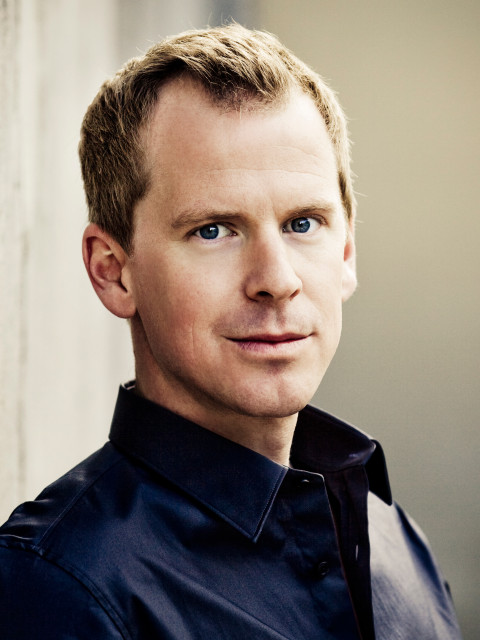
Founder of The Circular Materials GmbH, Karsten Bleymehl specializes in innovative materials for the circular economy. Formerly Director of Research at Material ConneXion in New York, he has advised global companies on sustainable product development. He teaches “Materials & Design” and “Sustainability & Circular Design” at universities in Europe. His work connects material science, design, and sustainable innovation, making him a strong asset in assessing material-focused projects.
TRENDFILTER®

Interior designer and trend expert, Katrin de Louw founded TRENDFILTER® in 1997. She advises the furniture industry on materials, colors, and trends, with a focus on ecology and sustainability. She also founded FURNITURE FUTURE FORUM and COLORNETWORK®, initiatives that promote sustainable design and circular color concepts. Recognized as a leading trendscout, she shapes the future of interiors.
Berliner Senatsverwaltung für Wirtschaft, Energie und Betriebe, Head of Startup Affairs

Norbert Herrmann is interface between Berlin public administration and the Berlin Startup Ecosystem and thus supporting Berlin as #CityOfCooperation.
Hochschule für Technik und Wirtschaft

Head of the Knitting Lab at HTW Berlin, she combines textile innovation with sustainable production. Her research on circular material systems makes her a driving force for a resource-efficient textile future within the jury.
InteriorPark.

Co-founder of InteriorPark., Andrea Herold advises companies on developing sustainability strategies and reports aligned with GRI standards. She conducts workshops on market trends and helps businesses transparently communicate their progress. Her expertise bridges corporate strategy, sustainability communication, and design
Avocadostore.de

Sustainability Manager at Avocadostore.de, Johannes Hilla evaluates products and brands, develops sustainability criteria, and manages reporting. Previously, he worked with VEJA, focusing on brand positioning and sales in Germany. With degrees in economics and governance, he combines academic knowledge with practical experience in fair fashion and sustainable goods.
Centre for Sustainable Design

Founder and Director of the Centre for Sustainable Design at the University for the Creative Arts, UK, Martin Charter has over 25 years of expertise in sustainable innovation, product design, and new business models. He has advised organizations like Procter & Gamble and Interface, and organizes the long-running Sustainable Innovation conference series. A leading researcher and author, he contributes deep knowledge on sustainable business and product development.
Fabriek Fris | Anderlus

Fashion and textile designer, Rosan van Boven co-founded Fabriek Fris to produce fair, local textiles that create social impact and better working conditions. With the project MAEAN (waste to workwear), she won the Food Valley Innovation Award. She also co-founded Anderlus, which transforms textile waste into new materials and connects waste producers with designers. Her entrepreneurial work demonstrates how creativity and science can close resource loops.
Parsons School of Design—The New School

Assistant Professor at Parsons School of Design in New York, Raz Godelnik researches sustainable business models and corporate responses to the climate crisis. He co-founded green start-ups Eco-Libris and Hemper Jeans and authored Rethinking Corporate Sustainability in the Era of Climate Crisis. His work connects entrepreneurship, education, and sustainability, making him an expert in strategic approaches to green business.
City of Munich Department of Public Construction

Communications expert in construction and architecture, Katja Reich joined the City of Munich’s Department of Public Construction in 2024. Previously, she led the editorial team at DBZ Deutsche Bauzeitschrift. With more than 20 years in publishing, she specializes in bridging architectural design standards with practical construction needs, offering valuable perspectives for sustainable building communication.
University of Oregon

Associate Professor at the University of Oregon, Kiersten Muenchinger teaches product design with a focus on materials, manufacturing, and sustainability metrics. Her research measures how consumers perceive sustainability in materials, applying Kansei engineering methods. Formerly a designer with IDEO and Walt Disney Imagineering, she combines academic rigor with real-world design experience. She has been honored for her impact as an educator in sustainable design.
ahead Media GmbH & Signatureplaces

Angelika Müller, publisher of the leading design and living magazine H.O.M.E. in German-speaking countries, is considered a renowned voice in the international design and architecture world.
For almost 25 years, she has had a significant influence on design and lifestyle reporting with H.O.M.E. and the international licensed magazines domus and flair. Her extensive network in architecture, the creative industries, and the media sector, as well as her role as a juror for renowned design awards, underscore her expertise and international reputation.
She is also the CEO and founder of the digital design travel platform Signatureplaces.
Luxiders Magazine & 001 Agency

Journalist and editor-in-chief of Luxiders Magazine, Belvis Soler has written about fashion and design for over 20 years. She also directs the creative agency 001 Agency. Through Luxiders, she elevates sustainable brands with strong visuals and curated storytelling, positioning sustainability as aspirational and innovative within the fashion and lifestyle sectors.
DOMESTIKA

Editor and author, Julius Wiedemann has published more than 40 design and visual culture books with TASCHEN, including Product Design in the Sustainable Era. His works have sold over 1.5 million copies. Born in Brazil, he studied design and marketing and is recognized internationally as an authority on sustainable design communication and publishing.
InteriorPark.

Architect, professor, and co-founder of InteriorPark., Tina Kammer has been active in sustainability since the 1980s. With a background in carpentry and brand architecture for companies like BMW and Hugo Boss, she later specialized in sustainable architecture and design. Today, she advises businesses, speaks at conferences, and teaches sustainable building. She is known for her holistic view and practical expertise.
Architect and cultural manager
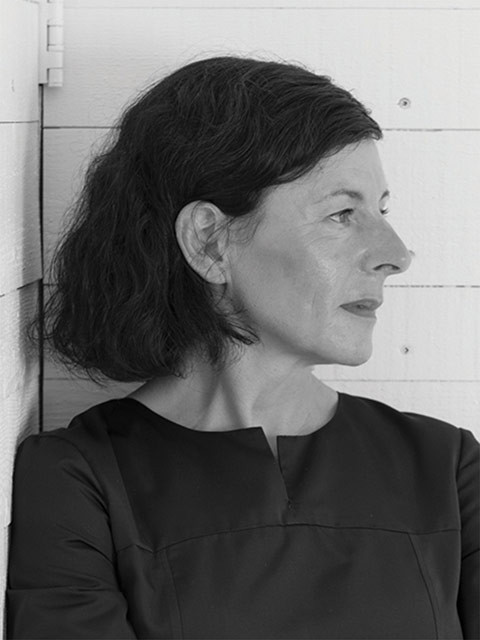
Architect and cultural manager, Meike Weber worked for 15 years at DETAIL magazine, developing content and research on architecture, megatrends, and the future of building. She now teaches at HAWK Hildesheim and advises NGOs, academia, and politics on architecture and sustainability. Her work emphasizes foresight and the role of research in shaping urban futures.
MELICHAR Bros. & epda

Founder of MELICHAR Bros. and Vice President of the European Brand & Packaging Design Association, Uwe Melichar is a leading authority on circular packaging. Previously managing partner at Factor, he worked with global brands like adidas, Bosch, and Nestlé. He is a Red Dot juror, Pentawards judge, and keynote speaker worldwide. His motto “Increase value, decrease waste” reflects his dedication to reducing environmental impact while elevating brand design.
Academy of Fine Arts Warsaw

Industrial designer and professor at the Academy of Fine Arts Warsaw, Robert Pludra focuses on social design and sustainability. With over 15 years of experience, he has created award-winning projects such as nomadic furniture and the upcycled Barrel Armchair. Exhibited internationally in Milan, London, Berlin, and Tokyo, his minimalist yet socially useful work connects academic research with practical design. His expertise brings a strong human-centered perspective to the jury.
Tsinghua University

Vice Director of the Institute of Sustainable Design at Tsinghua University, Xin Liu specializes in sustainable design, user research, and product-service systems. He leads LeNS-China, a network of China’s top universities, and co-founded DESIS-China for social innovation. He also chairs the DESIS International Alliance Academy. With awards and leadership roles in education, he is a key academic authority in sustainable product-service innovation in Asia and beyond.
Criteria & Submission
The jury evaluates all projects against seven criteria: Overall Approach, Elaboration, Impact, Market, Design, Innovation and Sustainability. The assessment is based on the information and evidence submitted. All criteria, weightings and point thresholds are published on the >> Criteria and Scoring System page.
Ready to submit?
Use the >> Submission Guidelines to prepare your project in a structured manner. You can then create your profile and upload your documents directly to the portal. >> Register now
If you have any questions, you can reach our team at service@gp-award.com.
Overall rating
Approach
The originality, reproducibility and credibility are assessed.
Elaboration
Evaluated are the complexity of the analysis, the quality of the preparation and the way of implementation.
Impact
The potential for positive impact on the environment and/or society is considered.
Subject-specific reviews
Design
This is about the design as an overall approach with the following criteria: aesthetics, user-friendly functionality, economic and ecological constructions, possibly the interaction of product and packaging. The quality of communication with the consumer about sustainability is also considered.
Impact
To assess the innovation, it is examined whether a problem / need (better) is solved, the scale of what is new and how relevant it is. When submitting concepts, there is an additional focus on the respective business model.
Sustainability
Assessment takes place along all phases of the life cycle (concept / pre-production, production, distribution, use, reuse). Information on the material used is considered separately, as well as information on the production conditions.
Organized By
White Lobster: Organiser
Organisation, submission platform, award delivery and international award communications.
International specialist jury: Assessment
Independent experts evaluate submissions against published criteria.
Green Future Club: Network and support for emerging talent
The non-profit club promotes exchange in sustainable design and supports young talent, including with the backing of the IKEA Foundation.